


SHOES MACHINE
What footwear machine we have?
EVA injection shoe moulding machine
PVC air-blowing injection shoes machine
PVC injection dip shoes machine
PU shoes injection machine
EVA foaming shoes machine
We design footwear manufacturing systems that help factories move from
equipment-based production to process-driven, stable industrial output systems.
Instead of focusing only on machines, we focus on production results: output stability, labor reduction, and cost control.
What we Help factories achieve
Our systems are engineered to support real production challenges:
Unstable product quality in mass production
High labor dependency and rising manpower cost
Low production efficiency and long cycle time
Material waste and inconsistent usage control
Limited flexibility across different shoe types
We provide equipment solutions that address these production bottlenecks.
Production Technology Platforms
We offer four core production technology platforms
EVA lightweight footwear production platform
For eva slippers, eva sandals, eva clogs, eva casual shoes, eva footwear, eva rain boots.
Focus:
Stable continuous production
Fast cycle time
Consistent product quality
High-volume manufacturing efficiency
01
PVC air-blowing injection shoes machine platform
Focus:
Precise material control
Stable flexibility and durability
Consistent output quality
Broad application compatibility
02
PVC integrated injection shoes production line platform (Upper + Sole One-Step)
One-step molding system integrating upper and sole production.
Focus:
Single-cycle forming process
No adhesive process required
Lower labor dependency
Simplified production work flow
03
PU structural footwear platform
For safety shoes, work boots, and durable footwear.
Focus:
Strong bonding performance
High structural durability
Industrial-grade stability
Long-cycle production reliability
04
EVA foaming shoes machine platform
Focus:
Small investment production line
Limited factory size
Simple operating system
05
We support full project execution from concept to production
Engineering analysis
1
>>
system design
2
>>
manufacturing
3
>>
installation
4
>>
training
5
>>
long-term support
6
After sale service
one year warranty
Installation service,
Adjust machine
Training service for local workers and QC system
Spare parts supporting
Remote technical support
7/24 in time response
Advantages of Shoe Machine
Enhanced production efficiency
Shoe machines significantly boost production rates, allowing manufacturers to produce a larger quantity of shoes in a shorter time frame. This increased efficiency not only meets market demands but also reduces turnaround time, ensuring faster delivery to customers.
Precision and accuracy
These machines operate with exceptional precision, ensuring that each shoe is made to exact specifications. From the cutting of materials to the assembly of components, the machines guarantee consistency and accuracy in every step of the production process.
Reduced labor costs
Automation in shoe machines minimizes the need for manual labor, thereby reducing labor costs. This not only saves money but also frees up human resources for other tasks, enhancing overall operational efficiency.
Versatility and flexibility
Modern shoe machines offer a high level of versatility, allowing manufacturers to produce a wide range of shoe styles, sizes, and materials. This flexibility enables manufacturers to cater to diverse market demands and stay ahead of trends.
Improved product quality
The precision and consistency of shoe making machines result in improved product quality. Shoes produced by these machines are more durable, comfortable, and appealing, enhancing customer satisfaction and brand reputation.
Easy to operate and maintain
Modern shoe machines are designed with user-friendly interfaces, making them easy to operate even for those with limited experience. Additionally, regular maintenance is straightforward, with many machines featuring modular designs that allow for easy access and replacement of parts.
-
 EVA Slipper Making MachineAn EVA slipper making machine is a specialized piece of industrial equipment used to mass-produce Ethylene Vinyl Acetate (EVA) foam slippers. The machine automates the process of cutting, shaping,Add to Inquiry
 -
 EVA Slipper Making Machine1, Model: EK3-6E2. 2, Size: 8000*4500*3000mm. 3, Weight: 26000kgs. 4, Function: Use for produce slipper, shoes, sole. 5, Advantage: High production efficiency and multifunctionalAdd to Inquiry
 -
 EVA Fully Automatic Shoe Making Machine1, Model: EK3-6E2. 2, Size: 8000*4500*3000mm. 3, Weight: 26000kgs. 4, Function: Use for produce slipper, shoes, sole. 5, Advantage: High production efficiency and multifunctionalAdd to Inquiry
 -
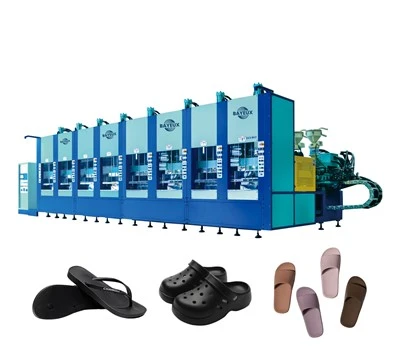 EVA Shoe Machine1, Model: EK3-6E2. 2, Size: 8000*4500*3000mm. 3, Weight: 26000kgs. 4, Function: Use for produce slipper, shoes, sole. 5, Advantage: High production efficiency and multifunctionalAdd to Inquiry
 -
 EVA Shoe Sole Machine1, Model: EK3-6E2. 2, Size: 8000*4500*3000mm. 3, Weight: 26000kgs. 4, Function: Use for produce slipper, shoes, sole. 5, Advantage: High production efficiency and multifunctionalAdd to Inquiry
 -
 EVA Shoe Sole Making Machine1, Model: EK3-6E2. 2, Size: 8000*4500*3000mm. 3, Weight: 26000kgs. 4, Function: Use for produce slipper, shoes, sole. 5, Advantage: High production efficiency and multifunctionalAdd to Inquiry
 -
 EVA Footwear Making Machine1, Model: EK3-6E2. 2, Size: 8000*4500*3000mm. 3, Weight: 26000kgs. 4, Function: Use for produce slipper, shoes, sole. 5, Advantage: Flexible Footwear Production with Stable Molding PerformanceAdd to Inquiry
 -
 EVA Shoe Sole Press Machine1, Model: BY22. 2, Size: 10*1.3*2.1m. 3, Pressure: 150tons. 4, Function: Use for produce sport sole. 5, Advantage: High production efficiency and multifunctionalAdd to Inquiry
 -
 PVC Shoe Molding Machine1, Model: EK16-12P. 2, Size: 4500*3530*2100. 3, Weight: 6000kgs. 4, Function: Use for produce slipper, shoes, sole. 5, Advantage: High production efficiency and multifunctionalAdd to Inquiry
 -
 PVC Plastic Shoes Making Machine1, Model: EK16-12P. 2, Size: 4500*3530*2100. 3, Weight: 6000kgs. 4, Function: Use for produce slipper, shoes, sole. 5, Advantage: High production efficiency and multifunctionalAdd to Inquiry
 -
 PVC Shoe Injection Moulding Machine1, Model: EK16-12P. 2, Size: 4500*3530*2100. 3, Weight: 6000kgs. 4, Function: Use for produce slipper, shoes, sole. 5, Advantage: High production efficiency and multifunctionalAdd to Inquiry
 -
 PVC Air Blowing Injection Machine1, Model: EK16-12P2, Size: 4500*3530*21003, Weight: 6000kgs4, Function: Use for produce slipper, shoes, sole5, Advantage: High production efficiency and multifunctionalAdd to Inquiry
-
 EVA Raw Materials
 -
 Full servo Baby Pants Making Machine pull diaper machine ...
 -
 Full Servo T Shape Baby Diaper Machine I shape baby diape...
 -
 Economical Adult Pull-up Pants diaper Machine adult diape...
 -
 Automatic Adult Diaper Production Line
 -
 Full Automatic Disposable Adult Underpad Making Machine p...
 -
 Economical Sanitary Napkin Production Line
 -
 Full Automatic Tampon machine Production Line
-
MOB: +86-13665912472
-
Whatsapp: +86-13665912472
- yeliqun_520@163.com
-
ADD: Room 805, Building 3, No.8 Xiangshan Road, Xiangshan Community, Qinagyang Street, Jinjiang Quanzhou Fujian.
Why Choose Us
High quality
Our products are manufactured or executed to a very high standard, using the finest materials and manufacturing processes.
Advanced equipment
A machine, tool or instrument designed with advanced technology and functionality to perform highly specific tasks with greater precision, efficiency and reliability.
Professional team
Our professional team collaborates and communicates effectively with each other, and is dedicated to delivering high quality results. We are capable of handling complex challenges and projects that require our specialized expertise and experience.
Customized services
We understand that each customer has unique manufacturing needs. That’s why we offer customization options to cater to your specific requirements.
Competitive price
We offering a higher-quality product or service at an equivalent price. As a result we have a growing and loyal customer base.
24H online service
We try and respond to all concerns within 24 hours and our teams are always at your disposal in case of any emergencies.
Let’s look at some of the most commonly used machines in shoemaking, as well as their benefits for manufacturers. Fabric spreading is a crucial first step in any kind of garment production—including shoemaking. During fabric spreading, fabric is laid out into smooth, wrinkle-free layers on a large surface. If performed manually, this process is not only labor-intensive and time-consuming but also carries the potential for workplace injury from lifting and unrolling large bundles of fabric. Heavy-duty industrial spreading machines are an ideal solution for large-scale shoe manufacturing, as they can spread up to 200 layers of fabric at one time—far more than can be achieved manually. Cutting commences once shoe manufacturers and designers have clarified sizes and specifications. Each shoe part has a specific cutting pattern, which serves as a template that guides machines to cut fabric into the desired shape. Once cut, these fabric parts are collected and checked for consistency before heading further down the production line. A single shoe is comprised of around 30 individual parts. Many of these parts are assembled using glue or industrial sewing machines during fusing and stitching. Traditionally, hundreds of factory workers would sit along production lines attaching insoles, midsoles, heels, and upper sections that are soon transformed into footwear. Today, shoe manufacturers can instead reap the rewards of automation with industrial stitching and fusing machines, which remove the need for skilled labor and the risk of human error or injury. They can thereby save on labor costs while preventing reputational damage or liability issues. Industrial needle detectors are a vital part of the quality control process, as discarded needles or metal debris can wind up in clothing or footwear in the course of production. These machines scan shoes and sort them into pass or fail piles, which helps factory workers stay organized while reducing the risk of human error. Manufacturers risk a huge reputational hit if broken needles or metal parts stuck in footwear injure consumers, meaning industrial needle detectors are a crucial addition to any shoemaker’s factory equipment.
How Automation Benefits Shoe Machine Manufacturers
Unless you’re the type to wait six to eight weeks for a pair of bespoke dress shoes, standard off-the-shelf footwear is probably sufficient. Being much faster than doing things by hand, machine-powered shoe production allows manufacturers to produce high quantities in a short amount of time, so they can take larger orders and stay ahead of deadlines. Injury and fatigue are well-known occupational hazards in factories, but they can be a headache for manufacturers all the same. What’s more, employee sick days can disrupt the production schedule while adding further costs. Thankfully, machines are immune to these human troubles, making them a safer and more efficient alternative to manual labor. With help from machines, shoe manufacturers can avoid liabilities and save on sick days to bring the overall cost of production down. To build customer trust, manufacturers must consistently produce high-quality goods that are accurate to design, as there’s no use trying to sell irregular products to today’s savvy consumers. Manual labor leaves room for human error, which can ultimately spark huge backlash in the age of social media and consumer rights. Automated machines, by contrast, are set to the correct specifications to ensure they never go wrong. Thus, in the long run, automation affords manufacturers the trust and respect of customers, which is just what they need in today’s highly competitive market. Consistent output quality and timely delivery make for a strong reputation, meaning manufacturers who implement automation can expect new orders to start rolling in no time. Heavy-duty machines are designed to tackle high-quantity orders in a short time, which is unrealistic for manual workers. Additionally, integrated machinery enables managers to track output quantities and equipment status in real time, so they can easily handle bulk orders.
Machines Used in a Shoe Machine Factory
Gluing machines
It is essential to use glue of a high quality because the paste used to assemble shoes can leave a significant impact on the final results. By automatically applying the appropriate amount of glue to both sides of the sole, this machine significantly simplifies the process.
Dryer oven
The shoe could go through a uv light and dryer oven section to make sure there is no chance of construction improvement while it is coming.
Automatic sewing machine
These machines naturally join the various shoe components, like the uppers and covering. These gadgets let you watch out for individuals' advantage from your perspective and abstain from getting carried away.
Sole cutting machines
Proficient shoemakers used to need to cut their own bits of elastic or plastic for bottoms, while there are presently various foot-fueled and mechanized underside cutting machines. The process of making shoes relies heavily on this piece of equipment. Cutting presses, also known as clicker cutting machines, are utilized in the factories. One of the standard parts in each shoe handling plant is the clicker press, which should be cut for each shoe plan part.
Shoelace making machine
A particular piece of hardware called a shoelace making machine is made to wind around and make top-notch shoelaces. Depending on the organization's assembly requirements, these machines come in different sizes and configurations.
Automatic shoe lasting machine
These massive pieces of hardware, which are responsible for attaching the soles to the rest of the shoe, could either represent a shoe manufacturing company or the moment of truth. It is possible to last by hand, but doing so is becoming increasingly inefficient. Using these machines to quickly attach shoe soles can save you time and money.
Outsole pressing machines
The heel, sides, and bottom of the upper and sole are compressed together during the pressing process. To lay out the bond, the endured upper and connected base is much of the time put in a chiller unit. The shoe is de-lasted either manually or mechanically after being removed from the chiller unit. A shoe could go through channel sewing utilizing a unique, more powerful than usual sewing machine that can fasten through the whole upper and elastic outsole.
Before you start looking for machines and suppliers, it’s crucial to determine your production needs and requirements. Consider factors such as the type of shoes you’ll be manufacturing, the materials you’ll be using, and the production volume you’re aiming for. This information will help you identify the specific machines and equipment you need and make it easier for you to find a supplier that can cater to your requirements. Shoe manufacturing involves several processes, and each requires specialized machinery. Some of the common types of shoe-making machines include cutting machines, skiving machines, sewing machines, lasting machines, and finishing machines. It’s essential to understand the function of each machine and choose those that are most suitable for your production needs. Additionally, consider the level of automation and technology you want in your machines, as this will affect the efficiency and productivity of your factory. Selecting a trustworthy and reliable supplier is crucial for the success of your shoe factory. Research different suppliers and ask for recommendations from industry peers to find a supplier with a good track record. Look for suppliers with experience in supplying shoe-making machines and a strong understanding of the industry. It’s also essential to choose a supplier that offers after-sales support, including maintenance and repair services, to ensure your machines remain in optimal condition.


Before diving into the power of modern shoe making machines, it is important to understand their evolution. Shoe manufacturing has come a long way over the years, from manual processes to the mechanization and automation we witness today. Traditional shoemaking involved skilled artisans meticulously crafting each shoe by hand. While this approach allowed for a high level of craftsmanship, it was time-consuming and limited in terms of volume production. Fast forward to the present day, and the power of modern shoe making machines cannot be overstated. These highly automated machines have transformed the footwear industry by streamlining processes and increasing overall efficiency. With computer-controlled systems, sophisticated mechanisms, and advanced software, these machines have taken production to a whole new level. One of the primary goals of modern shoe making machines is to increase production capacity. By automating key processes, these machines can produce shoes at a much faster pace than traditional methods. A single machine can often produce hundreds of shoes in a fraction of the time it would take a team of skilled artisans. This increased production capacity not only meets the growing demand for shoes but also allows manufacturers to bring new designs and collections to market more quickly. The ability to rapidly produce footwear enables companies to stay ahead of trends and respond to consumer preferences in a timely manner. While mass production is essential for meeting market demand, customization plays an equally important role in the shoe industry. Modern shoe making machines excel in striking the balance between efficiency and customization. Advanced software and computer-controlled systems enable manufacturers to program precise specifications into the machines. This level of customization allows for the production of shoes that cater to individual preferences, such as specific sizes, designs, and materials. As a result, customers can enjoy footwear that fits perfectly and suits their unique styles.
Detailed Shoe Machine Assembly Work
With the shoe prepared for assembly, it’s the right time to bring out the heavy gear. The fundamental assembly line is about 100 yards long. On the front of the line, you’ll discover a steamer to soften the shoe uppers, preparing them to last. The durable machines are utilized to pull the uppers down tight on the shoe last. The toe durable equipment is the centerpiece of such equipment. This system takes hold of the top and physically pulls it down and all around. The machine concurrently pulls the top into position whilst injecting hot adhesive to repair the uppers into position on the last. When the toe lasting is finished, the sneakers heel and waist might also be hauled into position by hand machine or operation procedures. Adhering to the lasting operations, the lasted upper is put into the first of their tunnels on the line. In cases like this, a cooling tube which shrinks the top down to the past even tighter. Assembly of mens sandals will differ mens boat shoes and again to a pair of womens heels. The continued uppers and outsoles are on the conveyor line collectively, each getting two coats of primer and cement. After each application, the pieces are put back online to journey through a heat tubing to wash the components. When the pieces are fully primed and coated with cement it’s the right time to join the components together. An employee takes the top and only in-hand, fitting them together. After the components are all fit, a pressing performance guarantees that the bonding surfaces are totally connected. The pressing operation compresses the base, sides, and heel of the sole and top collectively. To place the bond, the lasted upper with the base attached is often set in a chiller unit. Once from the chiller unit, the shoe is de-lasted by hand or by machine.
Our Factory
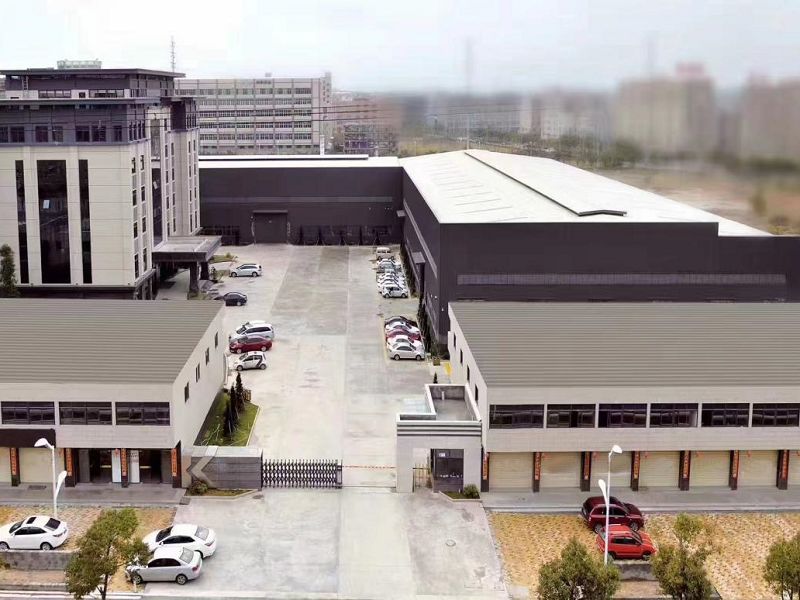
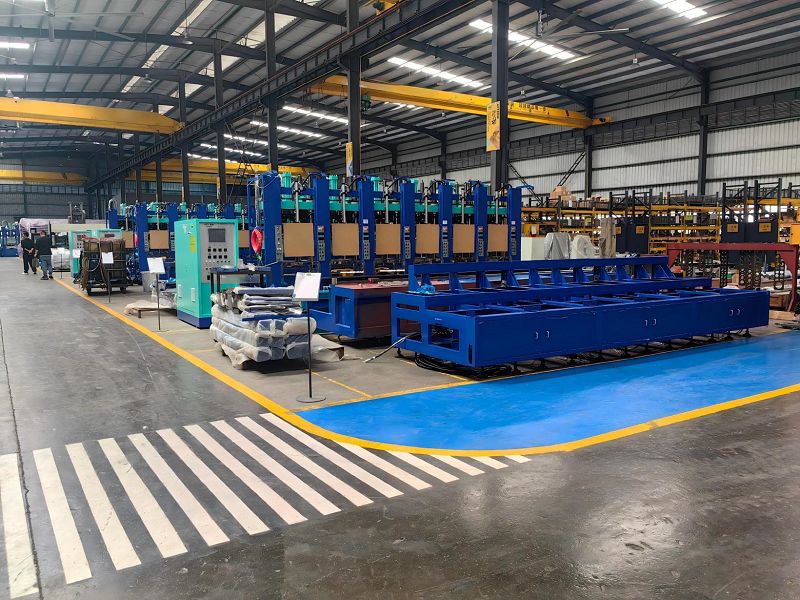
QUANZHOU Bayeux Supply company is the professional manufacture for Baby diaper machine, Sanitary napkin machine, adult diaper machine, Shoe machine, Shoe mould, Shoe-box etc. Our company has 15 years' experience in machine and mould area. we support technicians and training service, material and mould consult service, video and after-service, overseas machinery Engineers service. We have already cooperated with many clients who are from all over the world, Southeast Asia, South America, the Middle East etc.


FAQ
Q: What is a shoe machine?
Q: How does a shoe machine work?
Q: What are the advantages of using a shoe machine?
Q: What types of shoes can be produced using a shoe machine?
Q: What is the production capacity of a shoe machine?
Q: What are the quality control measures in place during shoe production?
Q: What are the maintenance requirements for a shoe machine?
Q: Can a shoe machine handle different types of raw materials?
Q: How is the waste generated during shoe production managed?
Q: What safety features are incorporated into shoe machines?
Q: What is the typical power consumption of a shoe machine?
Q: Can a shoe machine be integrated with other production processes?
Q: What is the role of the control system in a shoe machine?
Q: Can a shoe machine produce eco-friendly shoes?
Q: What is the typical lifespan of a shoe machine?
Q: Can a shoe machine produce shoes with different colors?
Q: What is the role of the lasting machine in shoe production?
Q: Can a shoe machine produce shoes with different types of soles?
Q: What is the role of the cutting machine in shoe production?
Q: Can a shoe machine produce shoes with different types of stitching?
Quanzhou Bayeux Industrial Co., Ltd. is one of the most professional shoe machine manufacturers and suppliers in China, specialized in providing high quality customized service. We warmly welcome you to buy high-grade shoe machine at competitive price from our factory.
washing machine slippers, sewing machine sneakers, sutton landis shoe machinery